
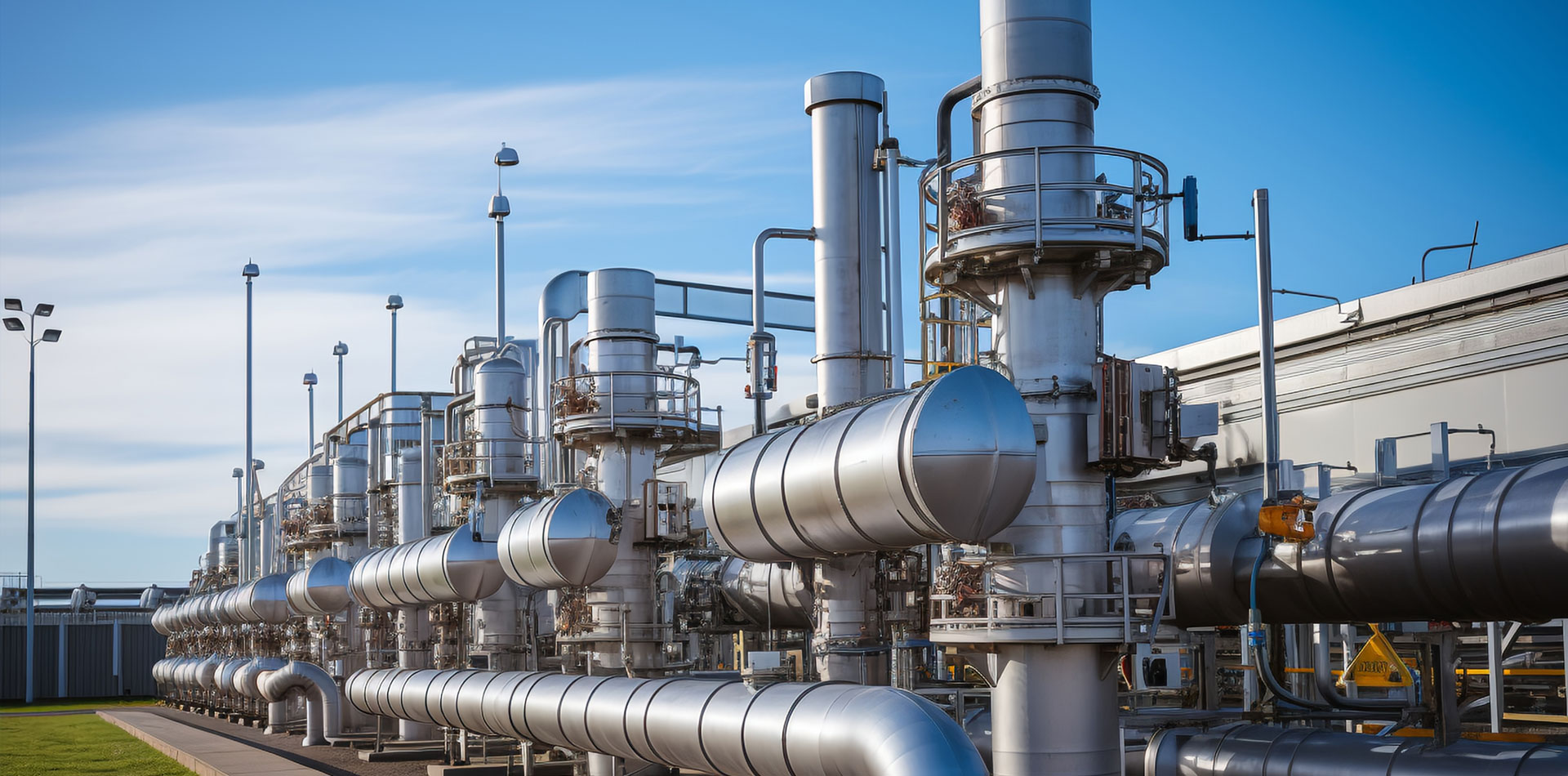
Molding processes in the rubber and plastics industry are complex, with highly varied operating conditions. In injection molding, extrusion, hot pressing and other processes, equipment operates long-term in severe environments of high temperature, high pressure and continuous running. Improper lubricant selection can easily accelerate mechanical wear, oil oxidation and deterioration, emulsification and stratification, and high volatility — not only raising oil-change and downtime cleaning costs, but released oil can also contaminate rubber and plastic products, increasing defect rates and dragging down delivery efficiency. Our one-stop lubrication solution for the rubber, plastics and chemical industries fits the full-process oil requirements of rubber and plastics molding, providing reliable support for the stable operation of all types of production equipment.
Inquire NowMolding processes in the rubber and plastics industry are complex, with highly varied operating conditions. In injection molding, extrusion, hot pressing and other processes, equipment operates long-term in severe environments of high temperature, high pressure and continuous running. Improper lubricant selection can easily accelerate mechanical wear, oil oxidation and deterioration, emulsification and stratification, and high volatility — not only raising oil-change and downtime cleaning costs, but released oil can also contaminate rubber and plastic products, increasing defect rates and dragging down delivery efficiency. Our one-stop lubrication solution for the rubber, plastics and chemical industries fits the full-process oil requirements of rubber and plastics molding, providing reliable support for the stable operation of all types of production equipment.
The oil system covers the core operating conditions of rubber and plastics production, matching injection molding machine hydraulic systems, extruder gearboxes, high-temperature heat transfer systems and product demolding scenarios. One program meets the oil needs of different equipment and processes in the workshop, simplifying procurement, warehousing and oil management, and eliminating the tedious work of multi-category oil selection and classified control. Product formulations are specifically optimized with excellent anti-wear, anti-oxidation, demulsibility and low-volatility characteristics. Under continuous pressure conditions, the oil film remains stable and hydraulic system pressure output is smooth, avoiding molding dimensional deviations caused by pressure fluctuations.
Oil exudation contamination is a common pain point in the rubber and plastics processing industry. The components of this oil series are stable and not prone to exudation or migration, effectively reducing the probability of oil transferring onto the surface of finished rubber and plastic products, reducing color differences and oil stains, ensuring consistency of product appearance and quality, and suitable for producing materials with high cleanliness requirements such as elastomers and modified plastics. The oils also withstand high-temperature and high-pressure conditions, meeting the requirements of long-term continuous molding. In complex environments with contact of multiple media such as water vapor and processing aids, they maintain stable physical and chemical properties, delaying oil aging and failure.
Quality lubrication protection slows the wear of core components such as gears, plungers and seals, and extends the service life of both oil and molds. With a longer oil degradation cycle, oil change intervals are effectively extended and oil consumption is reduced; less sludge and carbon build-up means molds and equipment interiors are less prone to stubborn deposits, reducing downtime for disassembly and cleaning and the resulting capacity losses. For continuously mass-producing rubber and plastics factories, reducing unplanned downtime means releasing capacity and saving O&M labor costs.
Competition in the rubber and plastics industry continues to intensify, making production line stability, controllable quality control and cost reduction the core concerns of business operations. The one-stop lubrication program is not simply oil supply: combined with the characteristics of rubber and plastics molding processes, it provides complete supporting services around condition assessment, oil selection, oil use guidance and subsequent follow-up, helping enterprises avoid production hazards caused by improper lubrication. Relying on stable and reliable oil performance, we help rubber and plastics production lines run continuously and efficiently, optimize equipment O&M costs on the basis of stable product quality, and provide a solid lubrication guarantee for the long-term, steady production of rubber and plastics enterprises.
| Oil Category | Common Specs / Viscosity Grade | Application Points | Key Performance |
|---|---|---|---|
| Anti-Wear Hydraulic Oil HM / HG | ISO VG 46 / 68 | Injection molding machine hydraulic systems | Anti-wear, anti-foam, pressure stability |
| Industrial Gear Oil CKC / CKD | ISO VG 150 / 220 | Extruder & mixer gearboxes | EP anti-wear, anti-oxidation |
| Heat Transfer Oil L-QB / L-QC | 300℃ / 320℃ grade | Mold temperature controllers, reactor jackets | Thermal stability, low coking |
| Low-odor white oil / demolding oil | Cosmetic grade / industrial grade | Rubber & plastics softening, demolding | Low volatility, no product contamination |
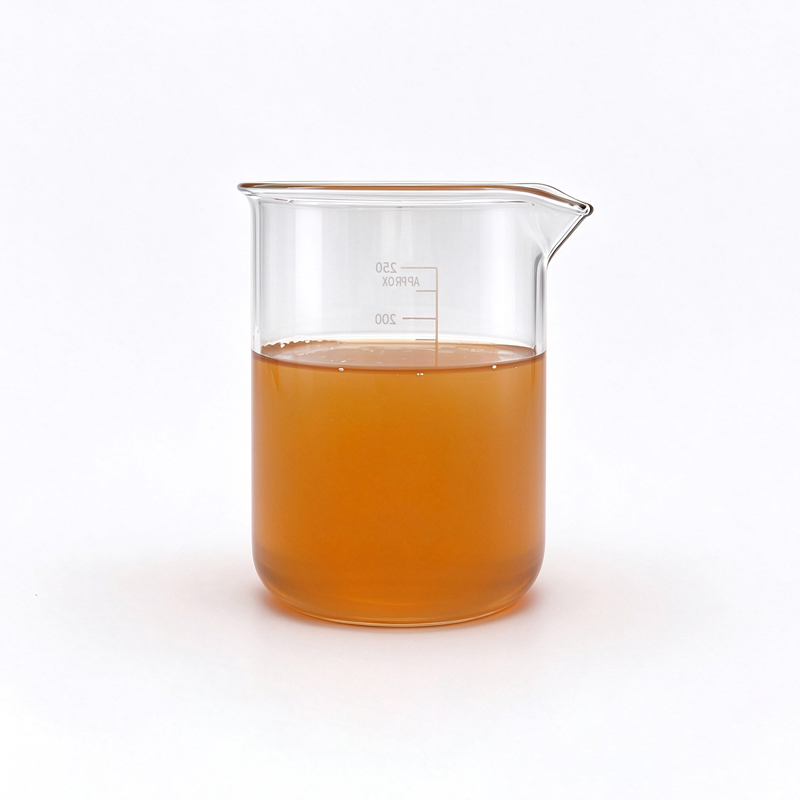
Application: Suitable for machining aluminum, copper and their alloys as well as carbon steel, stainless steel and other ferrous metals.
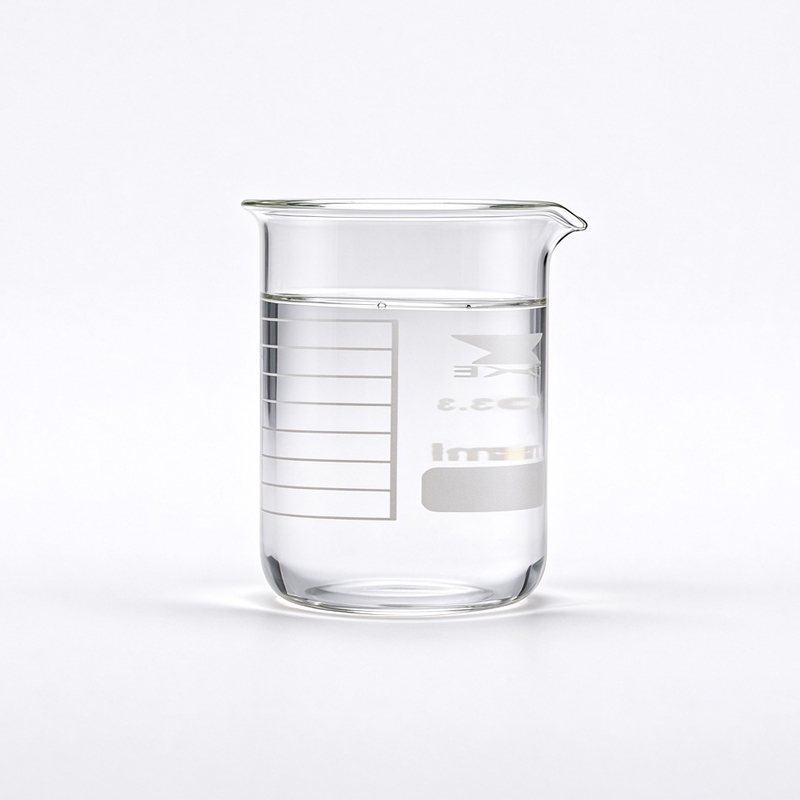
Application: Suitable for applications requiring slower evaporation and longer soaking time; replaces kerosene, diesel and common solvents.
Application: Designed for precision turning, fine cutting, boring and chamfering of bearings.

Mobile:139 2581 8721(Mr. Li)
Tel:400-062-8880
E-mail:ken@ketacn.com
Address:No. 14 Caihong Road, Chenwu, Houjie Town, Dongguan City, Guangdong Province, China