2026-11-04
As an important auxiliary material in the operation of industrial equipment, the quality stability of lubricating oil directly affects the working state of the lubrication system. From raw material selection and formulation design to production blending and finished product inspection, every stage must be managed according to the corresponding technical requirements.
In evaluating lubricant quality, multiple key performance indicators usually need to be considered — overall performance cannot be judged merely by appearance or a single parameter.
1. Kinematic viscosity testing
Kinematic viscosity is an important physical indicator of lubricating oil, usually measured at 40°C or 100°C. Viscosity affects the oil's flow performance, oil film formation and equipment start-up characteristics. Products should be selected according to the viscosity grade recommended by the equipment manufacturer.
2. Viscosity index evaluation
The viscosity index reflects the degree to which lubricant viscosity changes with temperature. Generally, the higher the viscosity index, the less the oil's viscosity is affected by temperature changes — but evaluation should still consider base oil type and actual operating conditions.
3. Oxidation stability evaluation
During long-term operation, lubricating oil undergoes oxidation influenced by temperature, oxygen and metal catalysis. Oxidation stability relates to the oil's service stability and is an important reference indicator for evaluating industrial lubricant performance.
4. Anti-wear and anti-rust performance evaluation
For different industrial application scenarios, attention should be paid to the oil's anti-wear performance, anti-rust performance and corrosion protection capability to reduce damage to equipment components during operation.
5. Anti-foam and air release performance evaluation
Lubricating oil may generate foam or entrain air during circulation, agitation and high-speed operation. Excessive foam will affect the normal operation of the lubrication system, so anti-foam and air release performance should be considered according to product use.
Comprehensive evaluation of different performance indicators provides a fuller understanding of the applicable scope and service characteristics of lubricant products, supporting quality control and application selection.
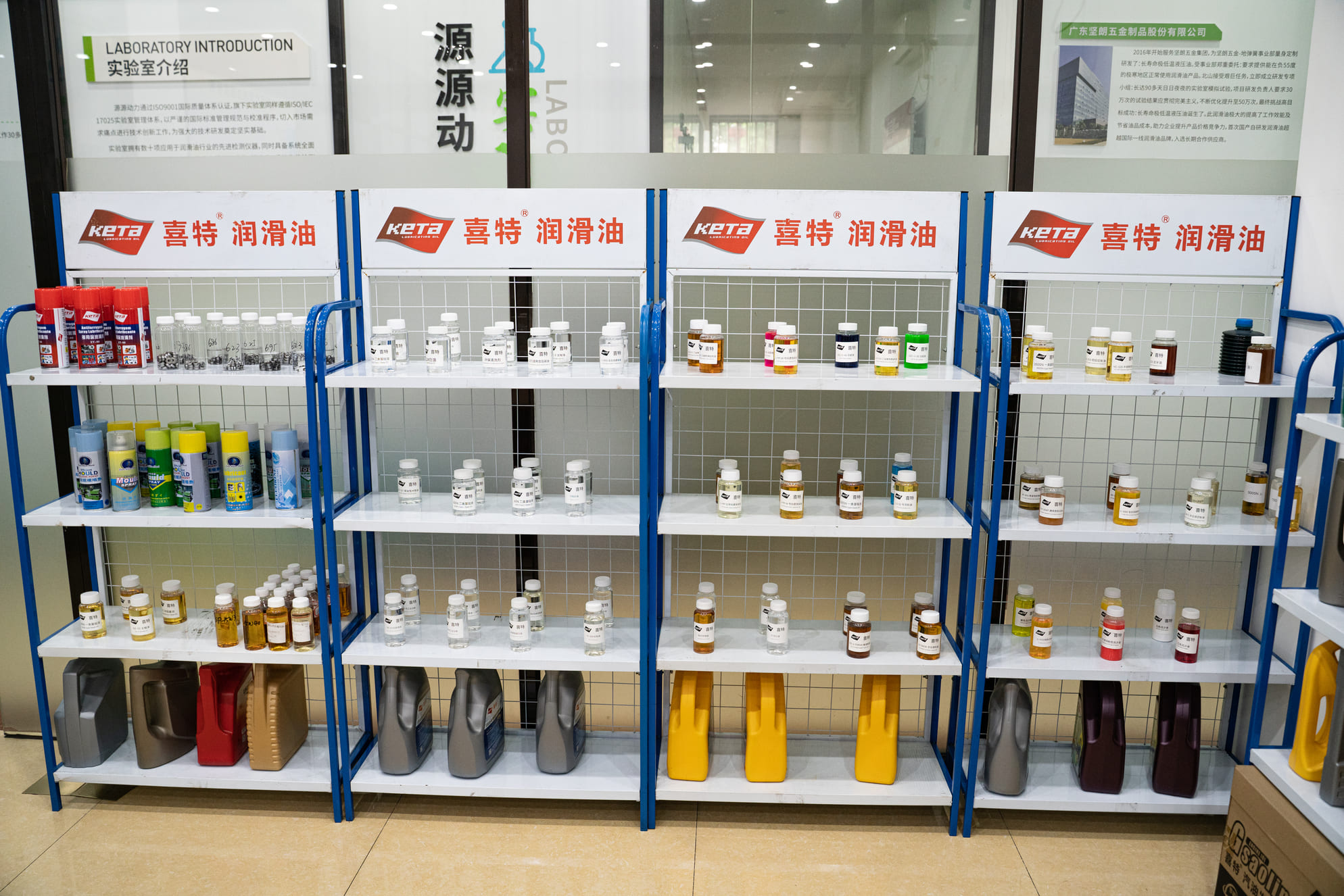
In industrial lubrication systems, viscosity is one of the key technical indicators to consider when selecting a lubricant.
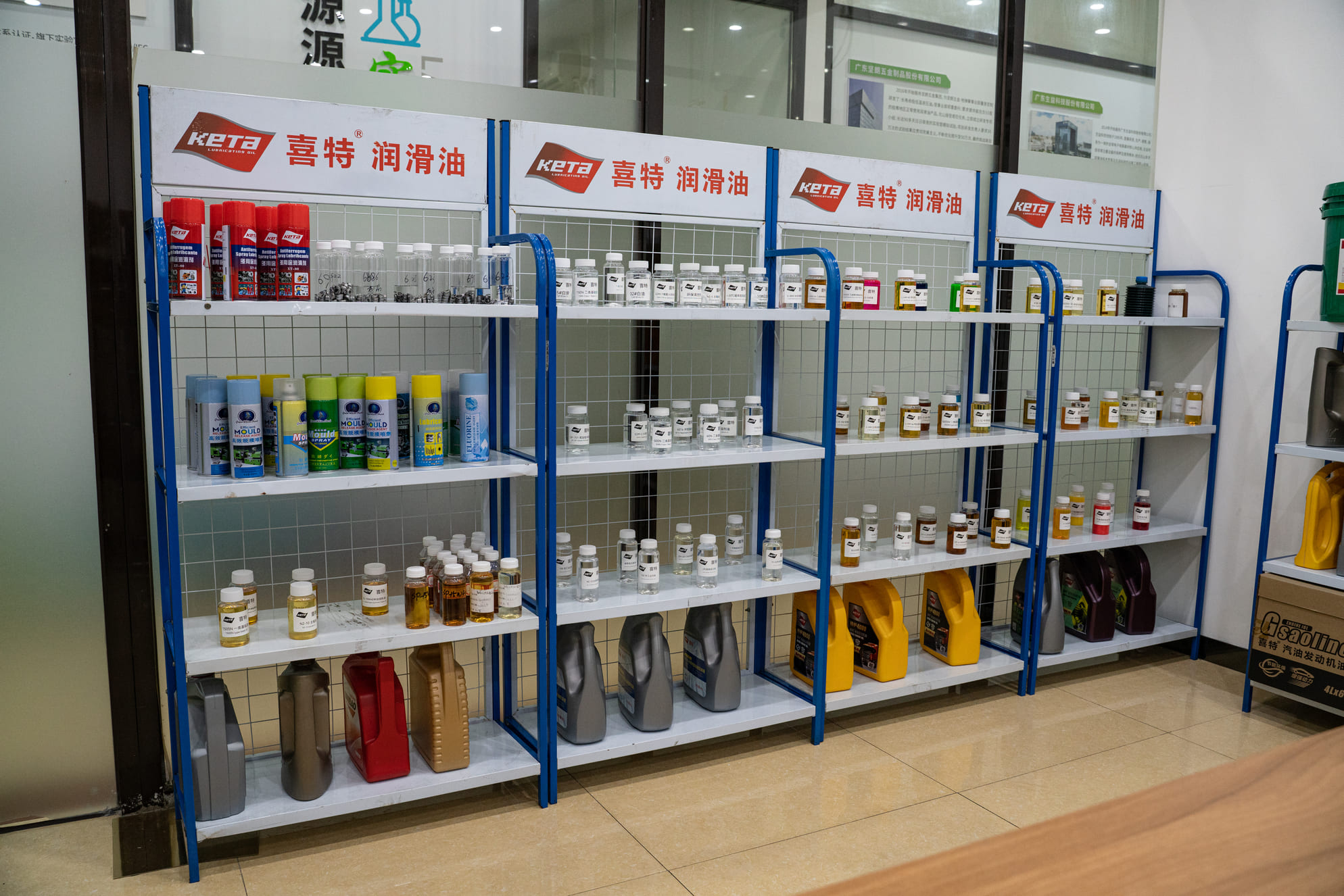
Synthetic lubricants can be applied to industrial gear transmission, air compressors, bearing systems, special high/low-temperature equipment and other industrial scenarios with specific performance requirements.
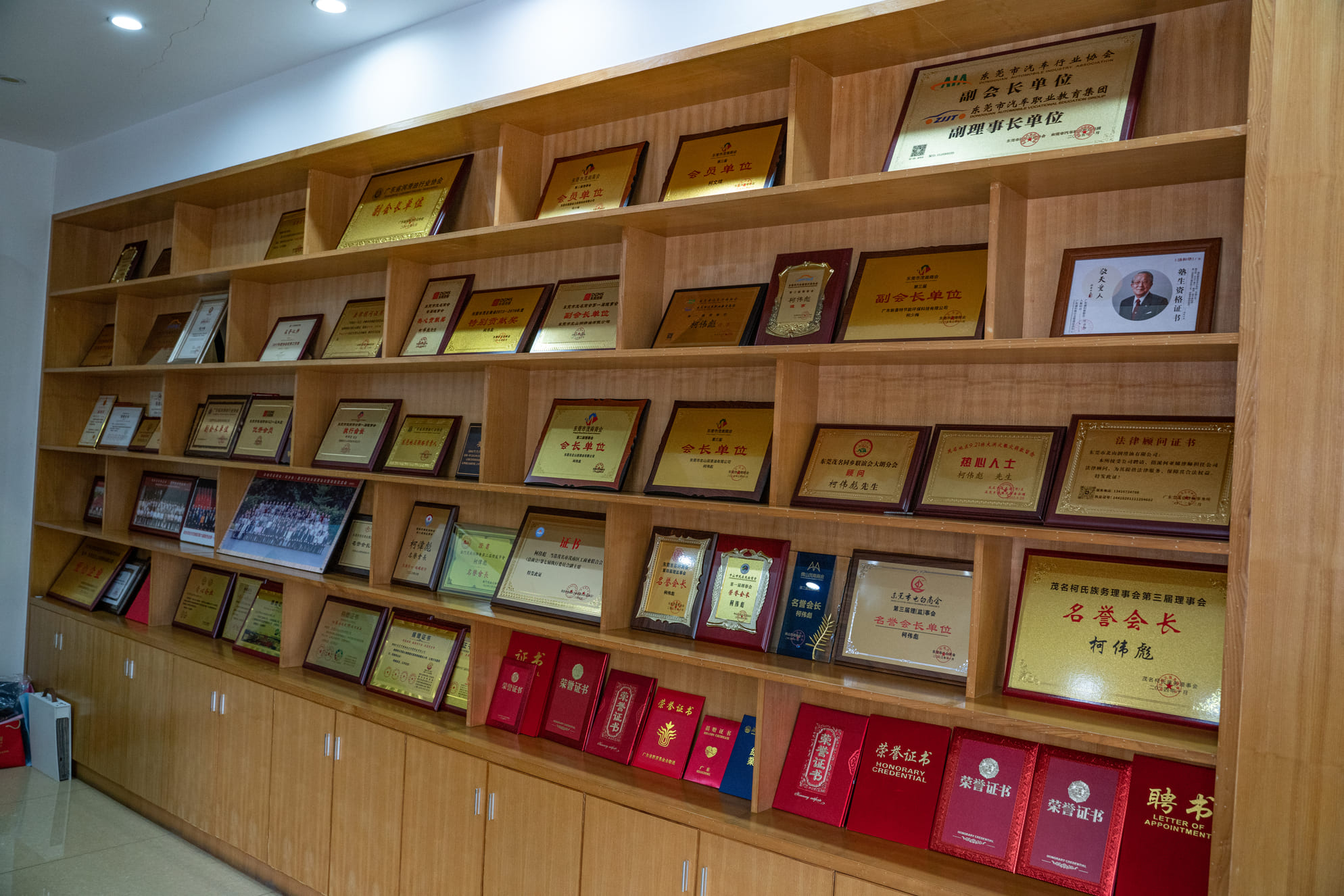
For continuously operating or critical industrial equipment, an oil analysis program can be established based on equipment importance and operating conditions.

Mobile:139 2581 8721(Mr. Li)
Tel:400-062-8880
E-mail:ken@ketacn.com
Address:No. 14 Caihong Road, Chenwu, Houjie Town, Dongguan City, Guangdong Province, China