2026-11-04
During long-term operation of industrial equipment, lubricating oil is affected not only by high temperature, pressure and mechanical shear, but may also be contaminated by moisture, dust, metal wear debris and other foreign matter.
Lubricant contamination is one of the important factors affecting the working state of lubrication systems. After contaminants enter equipment, they may accelerate component wear and degrade lubricant performance; in severe cases, they may cause filter clogging, valve sticking and abnormal lubrication passages.
Therefore, industrial lubrication management requires attention not only to the lubricant's own performance, but also to establishing standardized oil contamination control and maintenance mechanisms.
1. Common types of industrial lubricant contamination
1.1 Solid particle contamination
Metal wear debris, dust and other solid particles generated during equipment operation may enter the lubrication system. Larger or harder particles easily cause abrasive wear, affecting the normal operation of bearings, gears and hydraulic components.
1.2 Water contamination
Moisture may enter lubricating oil through poor equipment sealing, condensation of ambient humidity or cooling system leakage. Water can impair the lubricating performance of some oils and may accelerate corrosion of metal components and oil degradation.
1.3 Air contamination
When air mixes into lubricating oil, it may form bubbles or foam, affecting oil flow and oil film stability. In hydraulic systems, air entrainment may also affect system response and operational stability.
1.4 Cross-contamination of oils
When lubricating oils of different types, viscosity grades or additive systems are mixed, performance changes, additive interactions or material compatibility problems may occur.
2. Main methods of industrial lubricant contamination control
Strengthen storage management: lubricants should be stored in clean, sealed containers to prevent the entry of moisture and dust.
Standardize oil-filling operations: filling tools and delivery lines should be kept clean; different oils should use dedicated filling tools where possible.
Use filtration equipment properly: select appropriate filtration precision according to the lubrication system design and oil requirements, and check filter element condition regularly.
Control water ingress: check equipment seals, cooling systems and breathers to reduce moisture intrusion.
Conduct regular oil analysis: understand oil condition through viscosity, water content, acid number and particle contamination indicators.
3. Establishing a scientific oil analysis program
For continuously operating or critical industrial equipment, an oil analysis program can be established according to equipment importance and operating conditions.
Common analysis items include kinematic viscosity, water content, acid number, particle contamination and wear metal element analysis. Trend analysis of the data helps identify oil aging, external contamination and abnormal equipment wear.
For hydraulic systems, evaluation may also use particle contamination codes such as ISO 4406 according to equipment cleanliness requirements.
Industrial lubricant maintenance should not rely solely on fixed oil change intervals; it should be judged comprehensively based on equipment manufacturer requirements, operating environment and oil analysis results. Strengthening contamination control and daily maintenance helps improve the operational reliability of lubrication systems.
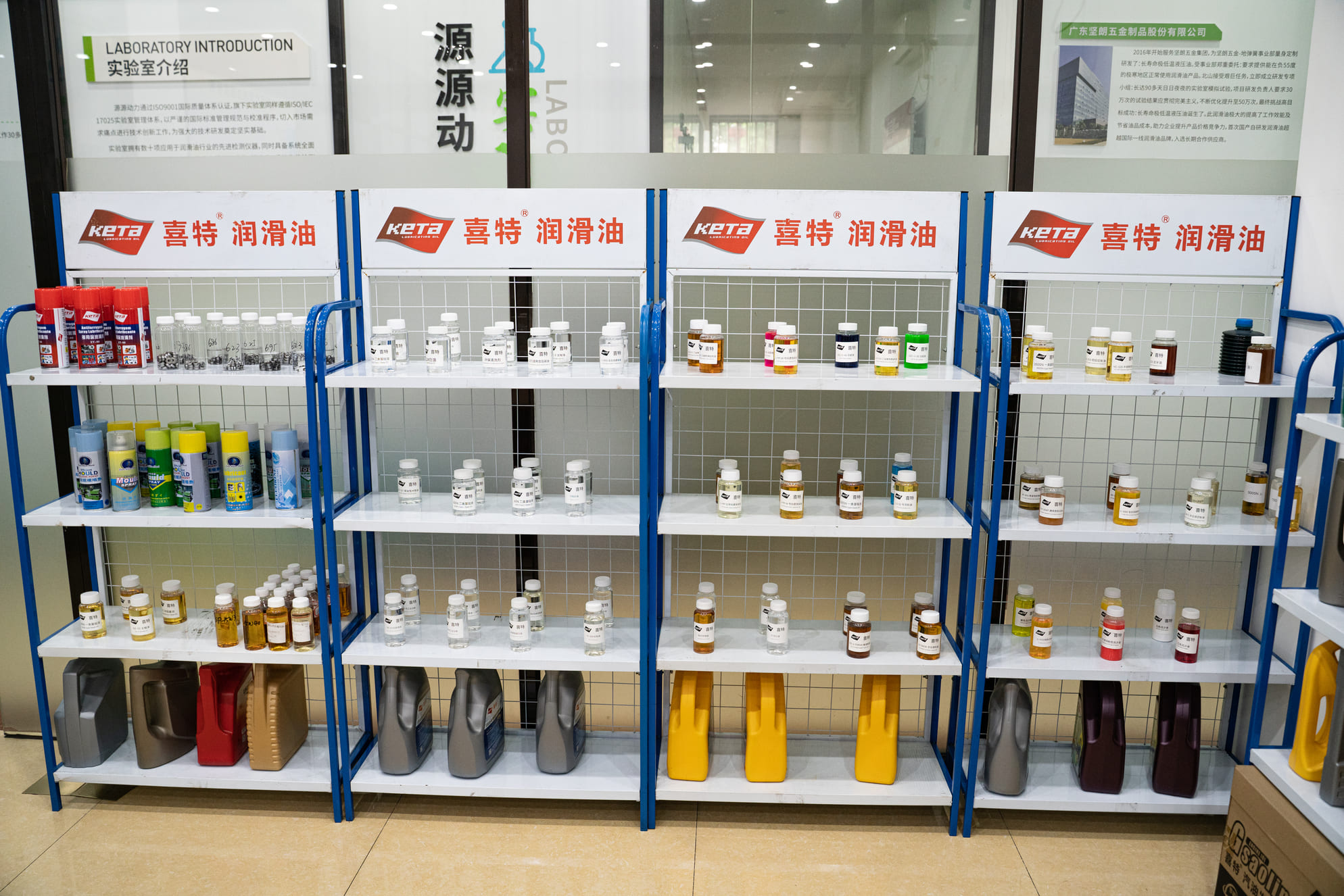
In industrial lubrication systems, viscosity is one of the key technical indicators to consider when selecting a lubricant.
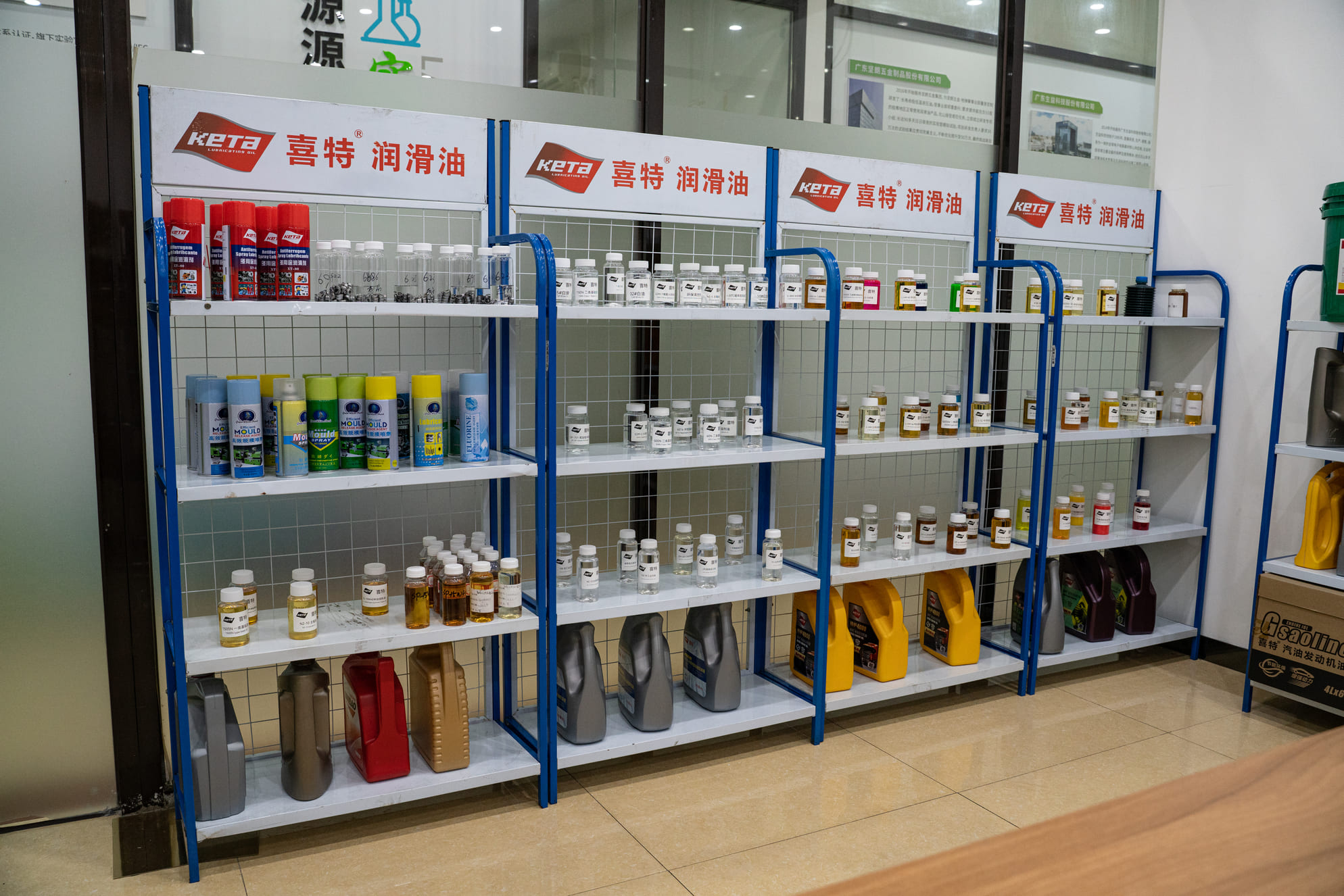
Synthetic lubricants can be applied to industrial gear transmission, air compressors, bearing systems, special high/low-temperature equipment and other industrial scenarios with specific performance requirements.
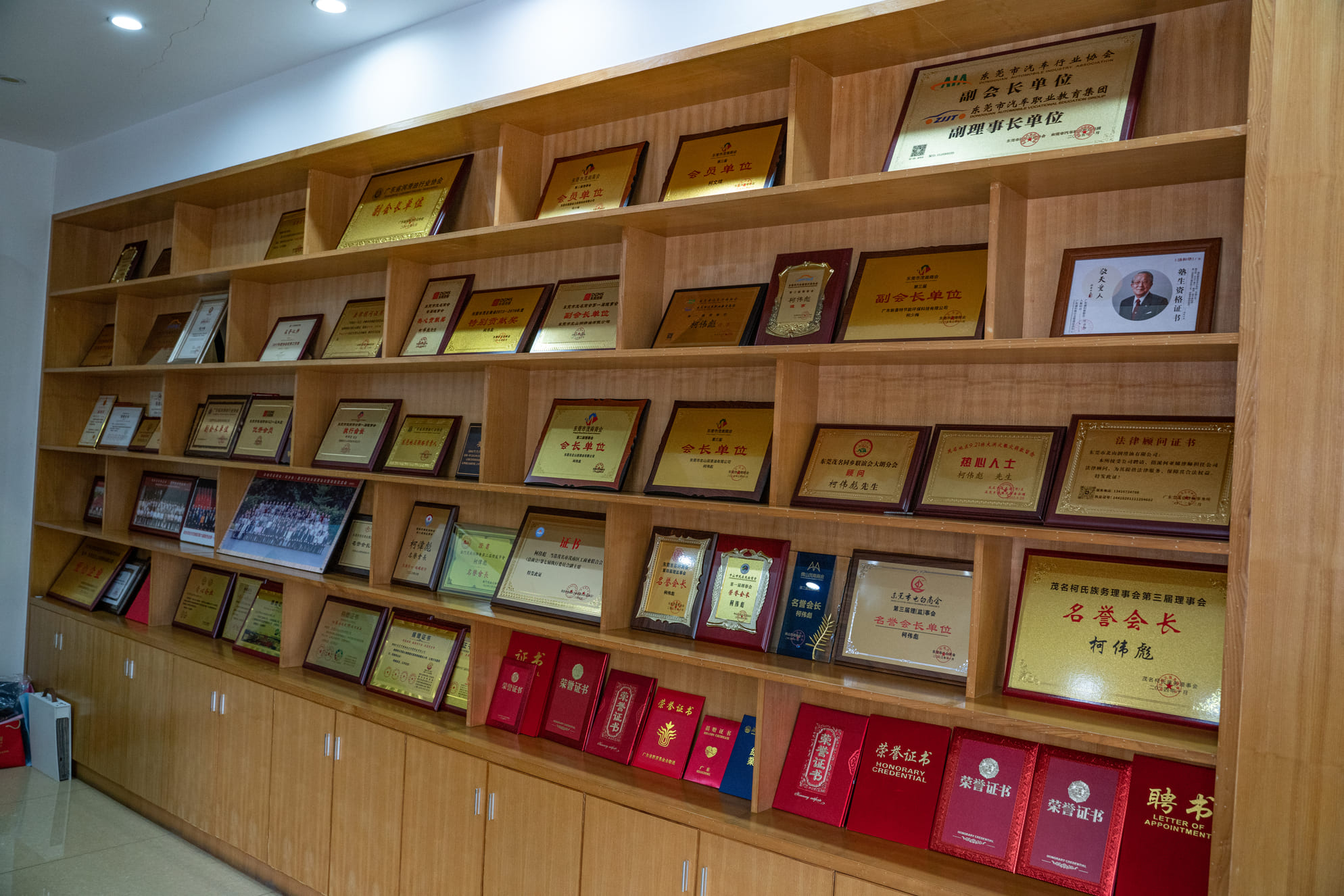
For continuously operating or critical industrial equipment, an oil analysis program can be established based on equipment importance and operating conditions.

Mobile:139 2581 8721(Mr. Li)
Tel:400-062-8880
E-mail:ken@ketacn.com
Address:No. 14 Caihong Road, Chenwu, Houjie Town, Dongguan City, Guangdong Province, China