2026-11-04
In industrial lubrication systems, viscosity is one of the key technical indicators when selecting a lubricant. Lubricant viscosity directly affects the oil's flow capability, lubricating film formation and the friction state during equipment operation. Improper viscosity selection may lead to insufficient lubrication, increased temperature rise or higher energy consumption.
Currently, industrial lubricants are usually classified by ISO VG (international standard viscosity grades). ISO VG classification is based mainly on the kinematic viscosity of the lubricant at 40°C, using the mid-point of the kinematic viscosity range as the grade identifier.
Common industrial lubricant viscosity grades include ISO VG 32, 46, 68, 100, 150, 220, 320, 460, etc.
1. Relationship between viscosity grade and equipment operation
Lubricants with lower viscosity flow better and are suitable for lubrication systems requiring flow speed and low-temperature start-up performance; but under high-load conditions, it is necessary to confirm whether they can form a sufficient lubricating film.
Lubricants with higher viscosity usually have stronger oil film load-carrying capacity, but may also increase flow resistance, churning losses and equipment start-up load. Therefore, higher viscosity does not necessarily mean better lubrication.
2. Main factors affecting lubricant viscosity selection
Equipment operating speed: high-speed equipment requires consideration of oil fluidity and frictional heat generation.
Working load: high-load equipment requires the lubricating film to have adequate load-carrying capacity.
Working temperature: temperature changes affect lubricant viscosity; the equipment's actual temperature range should be considered.
Lubrication method: circulating, splash and centralized lubrication systems have different requirements for oil flow performance.
Equipment manufacturer requirements: the equipment manual and the viscosity grade recommended by the manufacturer should take priority.
3. How to correctly select an ISO VG grade?
In actual selection, first identify the lubricant type used by the equipment, then choose the product according to the ISO VG grade recommended by the equipment manufacturer. For equipment with large temperature differences, continuous operation or special loads, viscosity index, oxidation stability and anti-wear performance also need further consideration.
Note that ISO VG only represents the viscosity grade of the lubricant and does not directly represent overall product quality or anti-wear performance. Different lubricants of the same viscosity grade may differ greatly in base oil composition, additive system and application performance.
Therefore, when selecting an industrial lubricant, the viscosity grade should be judged together with the product performance specifications.
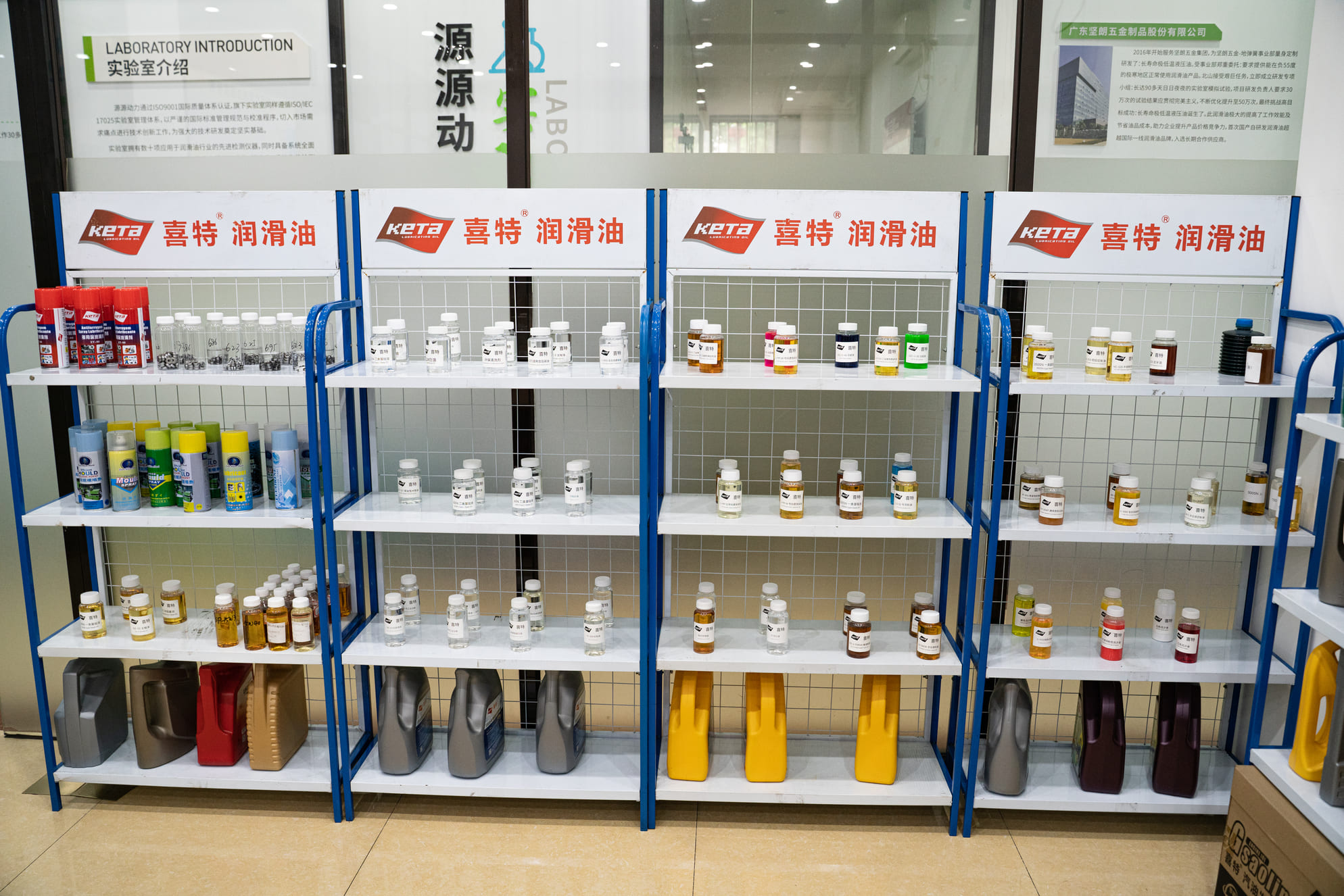
In industrial lubrication systems, viscosity is one of the key technical indicators to consider when selecting a lubricant.
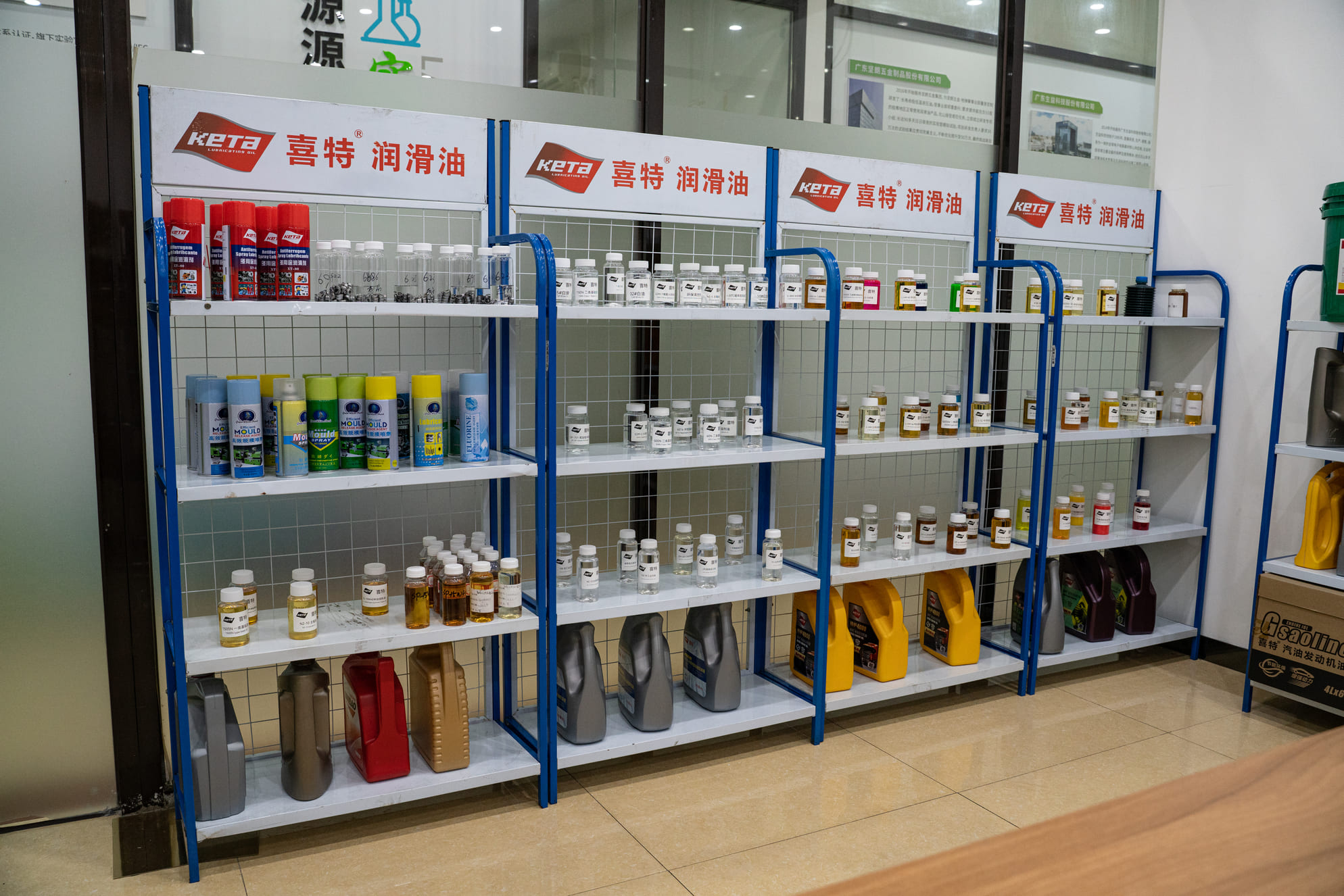
Synthetic lubricants can be applied to industrial gear transmission, air compressors, bearing systems, special high/low-temperature equipment and other industrial scenarios with specific performance requirements.
For continuously operating or critical industrial equipment, an oil analysis program can be established based on equipment importance and operating conditions.

Mobile:139 2581 8721(Mr. Li)
Tel:400-062-8880
E-mail:ken@ketacn.com
Address:No. 14 Caihong Road, Chenwu, Houjie Town, Dongguan City, Guangdong Province, China