2026-11-04
Industrial gear transmission systems are widely used in metallurgy, mining, cement, machinery manufacturing, conveying equipment and industrial production lines. During gear meshing, high contact stress occurs between tooth surfaces, accompanied by sliding and rolling friction. When equipment operates under heavy loads, shock loads or continuous running, gear surfaces are prone to wear, scuffing and pitting damage.
The main function of industrial gear oil is to provide lubrication protection during gear meshing, reduce friction and wear, and help equipment maintain normal transmission.
1. Main performance requirements of industrial gear oils
1.1 Extreme-pressure anti-wear performance
Under high contact pressure and boundary lubrication conditions, the lubricating film between tooth surfaces may be broken. Extreme-pressure additives can react with metal surfaces under certain temperature and load conditions, forming a protective reaction film that reduces the risk of gear surface scuffing and galling.
1.2 Oxidation stability
The inside of a gearbox is in continuous operation; lubricating oil may oxidize under the influence of temperature, air and metal surfaces. Good oxidation stability helps reduce the formation of sludge, varnish and other oxidation products.
1.3 Demulsibility
In humid or water-contacting working environments, gear oil may be contaminated by water. Good demulsibility helps separate oil from water, reducing the impact of long-term water retention on the lubrication system.
1.4 Rust and corrosion protection
Metal components such as gears and bearings are in long-term contact with lubricating oil, so the oil needs corresponding rust and corrosion protection capability to reduce damage from moisture and corrosive substances.
1.5 Anti-foam and air release performance
During gear operation, lubricating oil may entrain air due to agitation. Excessive foam and air entrainment may affect oil film formation and lubrication system operation, so the oil's anti-foam and air release performance should be considered.
2. How to select lubricating oil for heavy-load gear systems?
For heavy-duty industrial gearboxes, selection should be based on gear type, contact load, operating speed and working temperature. Especially for enclosed gear transmission systems, attention should be paid to the viscosity grade and corresponding performance specifications recommended by the equipment manufacturer.
For gear systems with high contact stress, whether the extreme-pressure additive system is suitable should also be confirmed according to gear material, surface treatment and lubrication conditions.
3. Precautions for daily use and maintenance
During equipment operation, the gearbox oil level, oil condition and operating temperature should be checked regularly, watching for abnormal noise, leakage and temperature rise. For long-term continuously operating heavy-load equipment, reasonable maintenance and oil change plans can be formulated based on oil analysis results.
Reasonable selection and standardized maintenance help gear transmission systems maintain good lubrication and reduce abnormal wear.
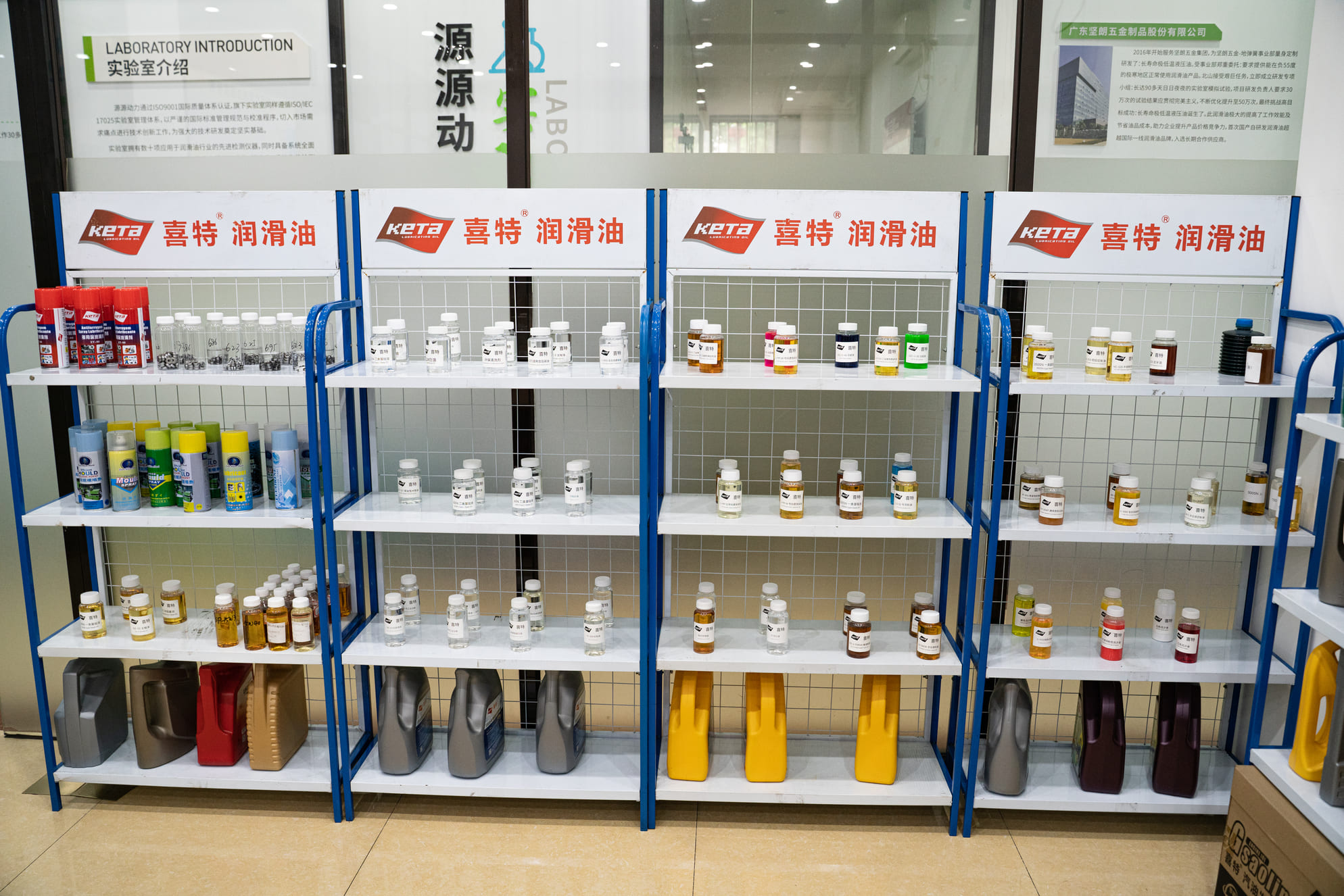
In industrial lubrication systems, viscosity is one of the key technical indicators to consider when selecting a lubricant.
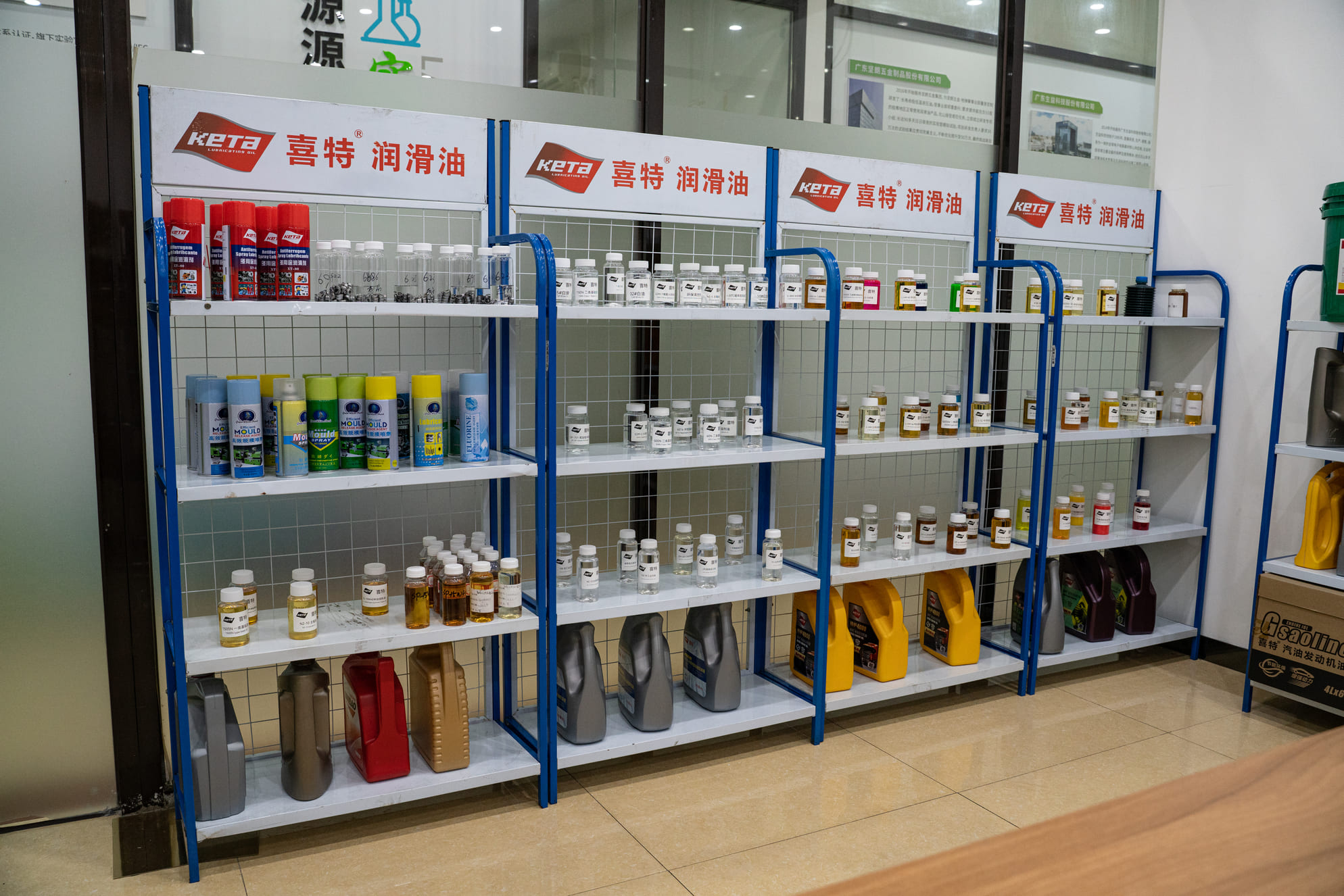
Synthetic lubricants can be applied to industrial gear transmission, air compressors, bearing systems, special high/low-temperature equipment and other industrial scenarios with specific performance requirements.
For continuously operating or critical industrial equipment, an oil analysis program can be established based on equipment importance and operating conditions.

Mobile:139 2581 8721(Mr. Li)
Tel:400-062-8880
E-mail:ken@ketacn.com
Address:No. 14 Caihong Road, Chenwu, Houjie Town, Dongguan City, Guangdong Province, China