2026-11-04
1. Poly-alpha-olefins (PAO)
PAO is a common synthetic hydrocarbon base oil with good viscosity-temperature performance, low-temperature fluidity and oxidation stability, often used in high-performance industrial gear oils, compressor oils and some high/low-temperature lubrication products.
2. Polyether oils (PAG)
PAG has a special polar structure with certain advantages in friction performance, viscosity-temperature characteristics and deposit control in some applications. Different types of PAG differ in compatibility with mineral oils, other synthetic oils and seal materials; technical confirmation is required before use.
3. Ester base oils
Ester base oils have certain polarity and lubricating performance, with application value in lubricity, low-temperature performance and some high-temperature applications. Their hydrolytic stability and material compatibility need to be evaluated according to the specific ester structure and formulation.
2. Main performance characteristics of synthetic lubricants
Good high/low-temperature adaptability: some synthetic base oils have high viscosity index and low pour point, adapting to a wider temperature range.
Good oxidation stability: some synthetic base oils improve the lubricant's oxidation resistance in high-temperature environments.
Good lubricating performance: depending on base oil type and additive formulation, friction and wear performance under certain operating conditions can be improved.
Lower volatility tendency: some synthetic base oils have low volatility, helping reduce oil loss during high-temperature operation.
3. Application fields of synthetic lubricants
Synthetic lubricants can be applied to industrial gear transmission, air compressors, bearing systems, special high/low-temperature equipment and other industrial scenarios with specific performance requirements.
It should be clear that synthetic lubricants are not superior to mineral oils under all operating conditions. Different synthetic base oils differ in performance characteristics and scope of application; actual selection must also consider equipment materials, seal compatibility, additive compatibility and cost of use.
For equipment requiring a lubricant type change, the compatibility of new and old oils should be confirmed in advance, and oil change or flushing procedures should follow the technical requirements of the equipment and lubricant supplier.
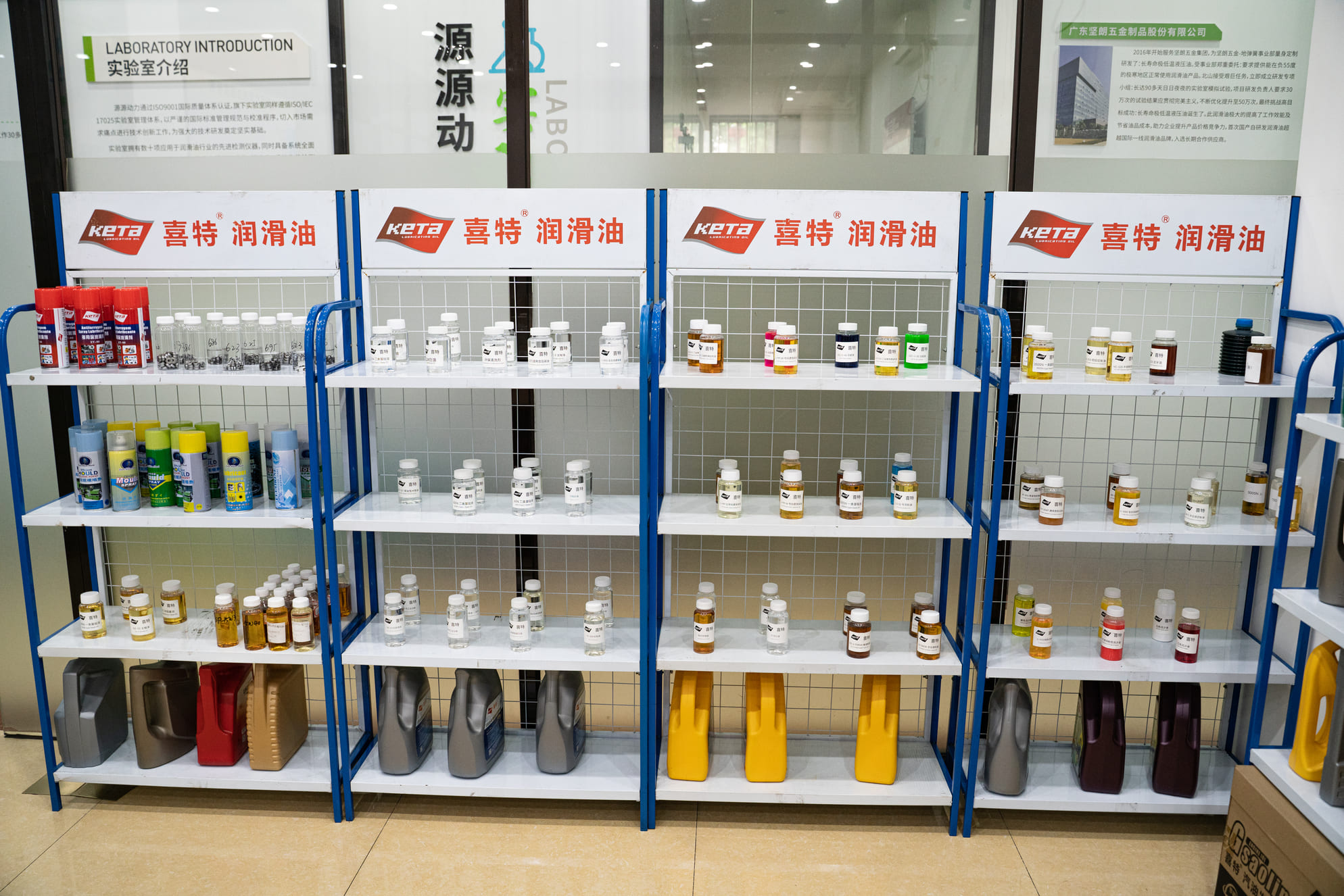
In industrial lubrication systems, viscosity is one of the key technical indicators to consider when selecting a lubricant.
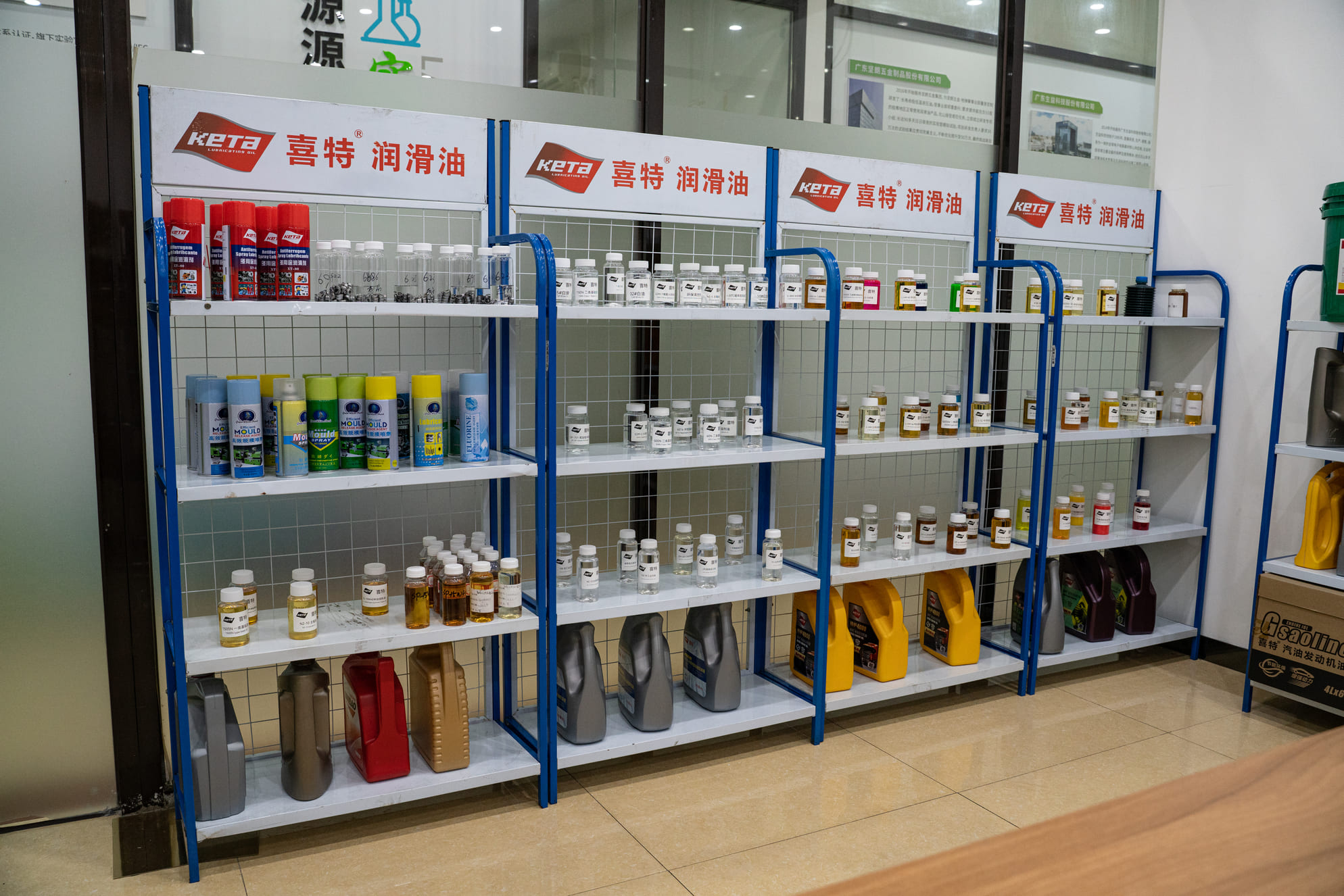
Synthetic lubricants can be applied to industrial gear transmission, air compressors, bearing systems, special high/low-temperature equipment and other industrial scenarios with specific performance requirements.
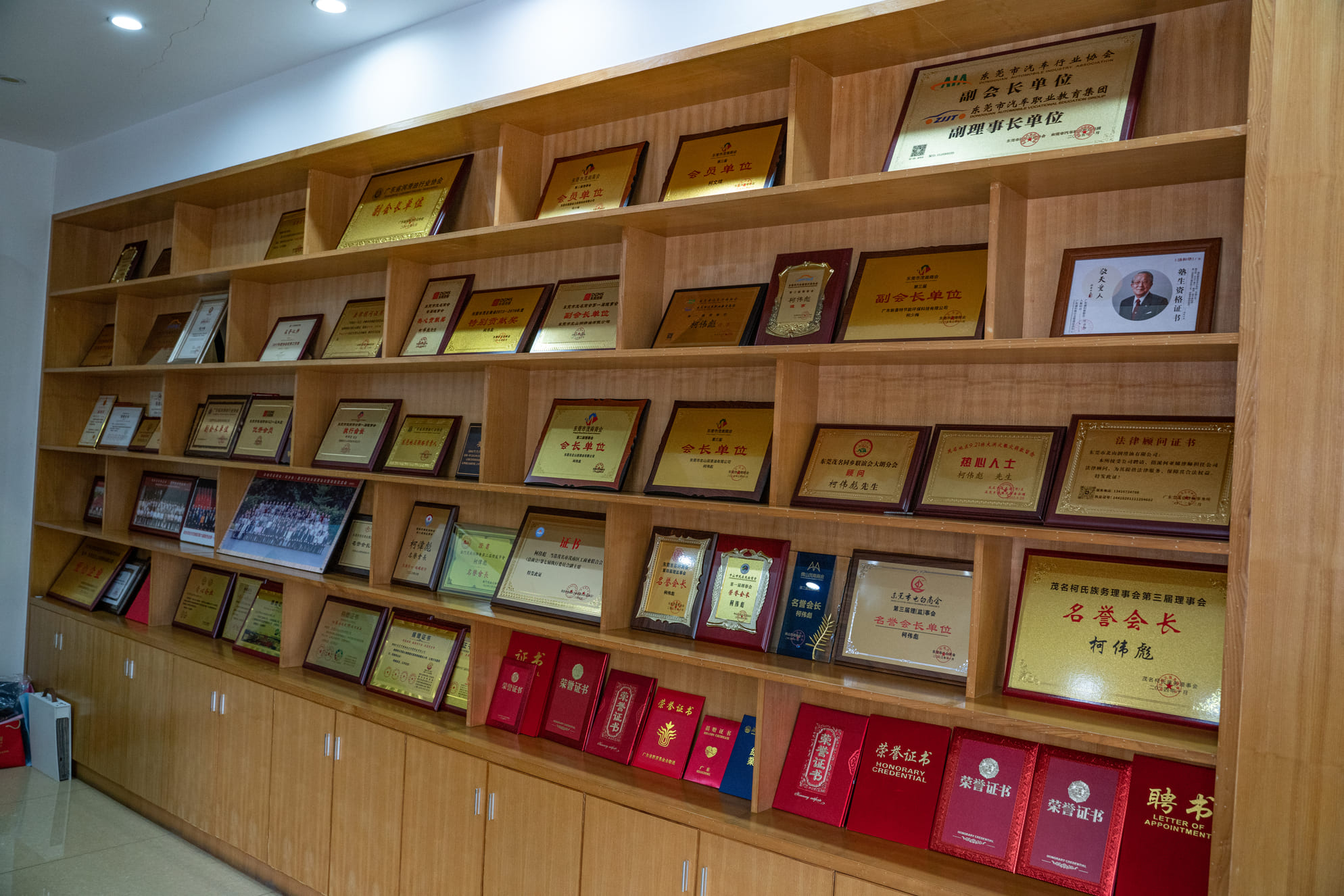
For continuously operating or critical industrial equipment, an oil analysis program can be established based on equipment importance and operating conditions.

Mobile:139 2581 8721(Mr. Li)
Tel:400-062-8880
E-mail:ken@ketacn.com
Address:No. 14 Caihong Road, Chenwu, Houjie Town, Dongguan City, Guangdong Province, China